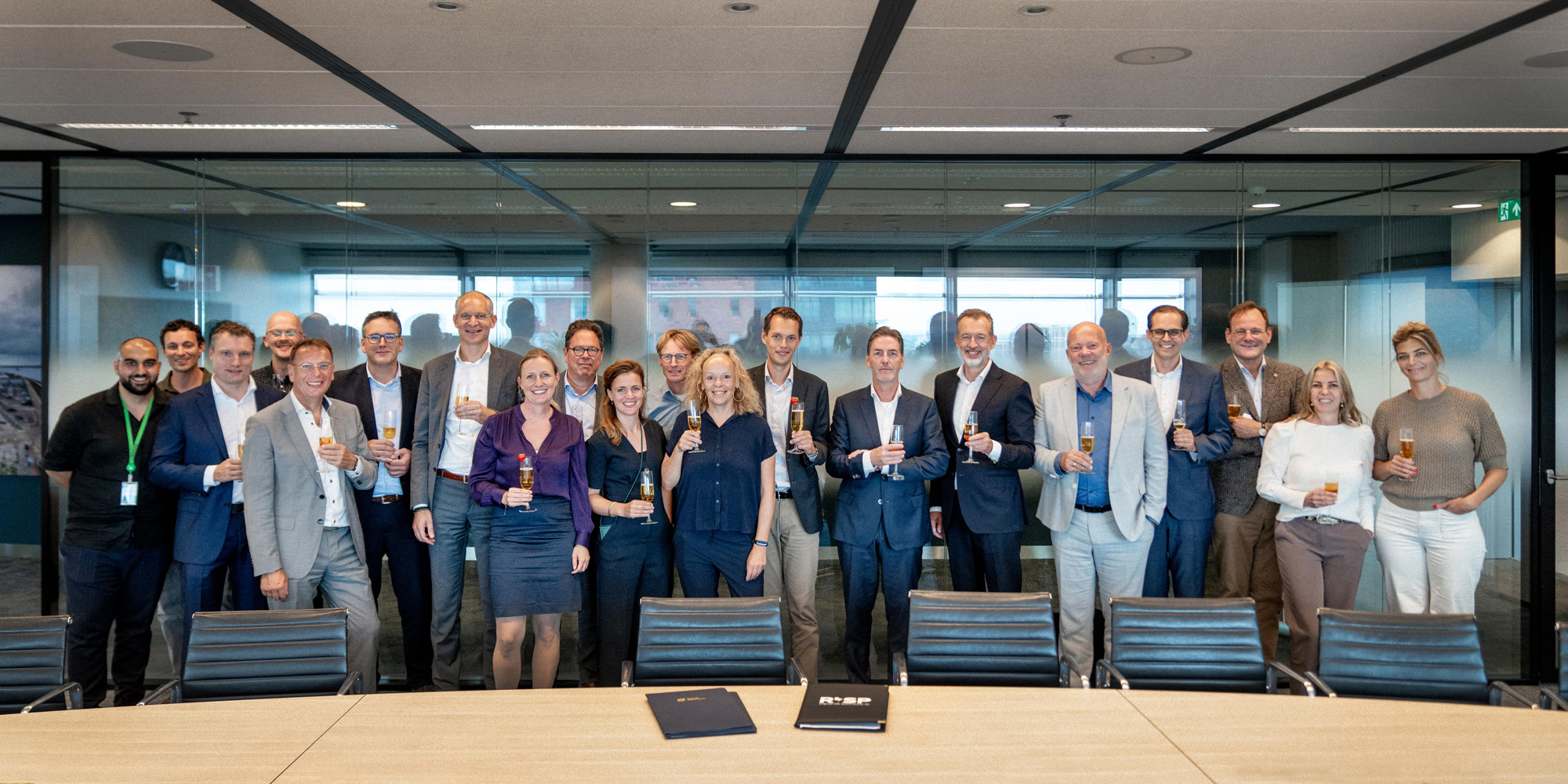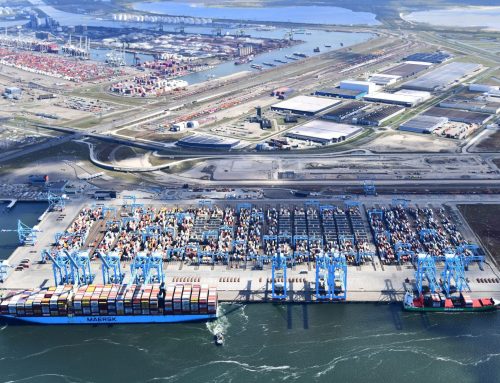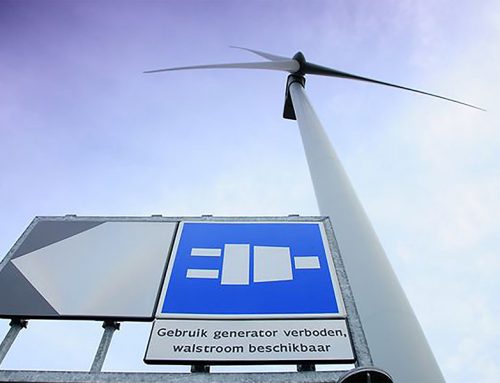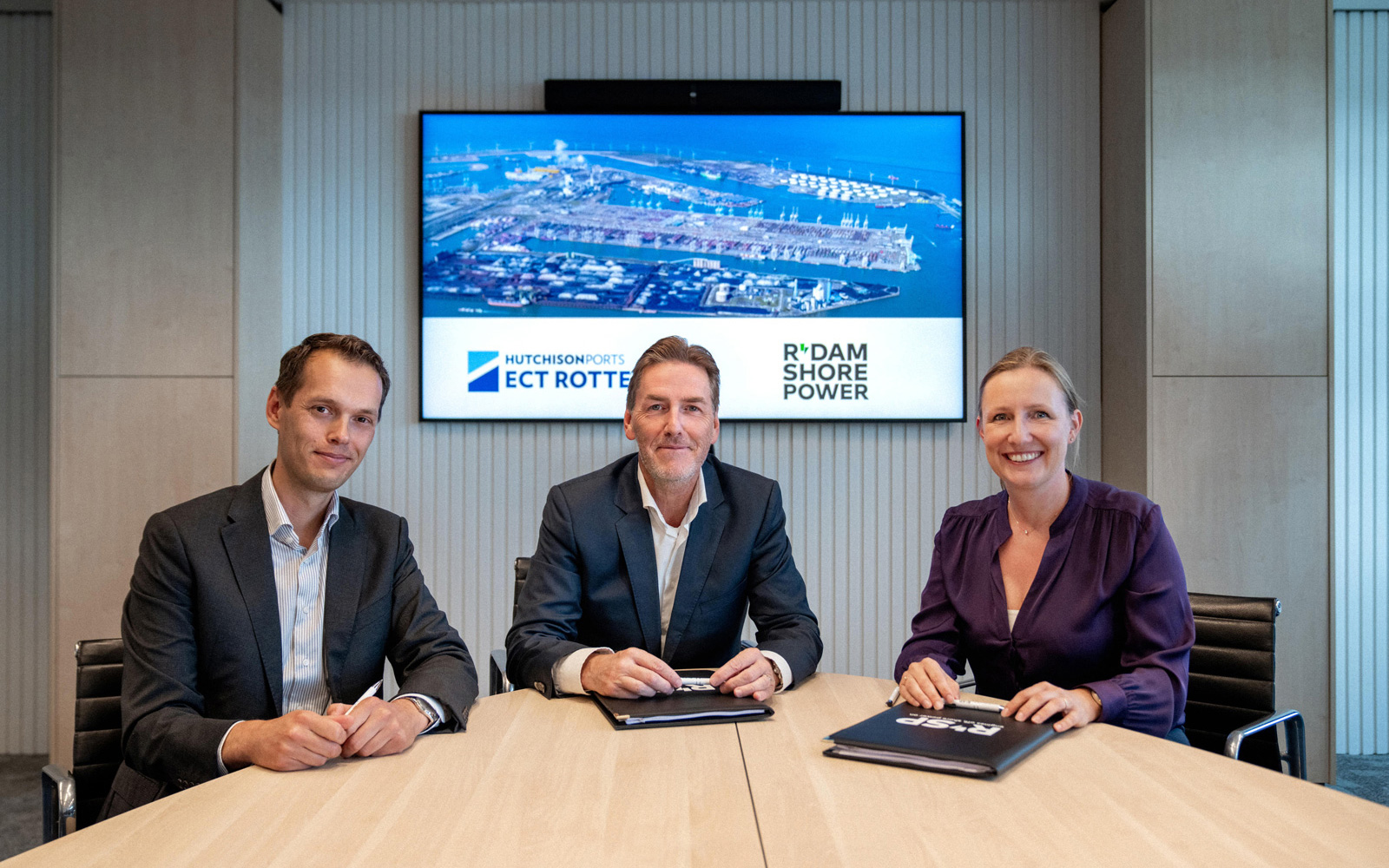
The container terminals of Hutchison Ports ECT Rotterdam (ECT) will be equipped with shore-based power facilities in the coming years. ECT has made agreements about this with Rotterdam Shore Power (RSP), a partnership between Eneco and the Port of Rotterdam Authority. The first ships are expected to be connected to the shore-based power supply in 2028. When the facilities at both terminals are fully operational in 2030, some 5000 sea-going vessels can be connected to shore power every year. This will reduce CO2 emissions in the port by around 35,000 tonnes per year.
RSP will construct and operate the shore-based power facilities, while ECT and the Port of Rotterdam Authority will ensure the civil integration of the facilities on the quay and terminal site. The projects are among the largest shore-based power projects in Europe and together comprise about 5 kilometres of quay.
The port of Rotterdam has the ambition to become climate neutral by 2050 and at the same time remain vital and competitive. The port of Rotterdam also complies with European directives, which are part of the European Green Deal.
Shore-based power as a service
Leo Ruijs, CEO of ECT: “The projects are in line with our goal of being emission-free from 2035. When visiting our terminals, our customers have access to shore power facilities that fit well within the philosophy of our logistics concept.”
Rotterdam Shore Power is proud to offer shore power as a service on the Maasvlakte, according to Tiemo Arkesteijn and Ina Barge, who lead RSP. “In doing so, we remove investment barriers and unburden our customers and partners, while at the same time accelerating the greening of the port and the maritime sector.”
Making the port more sustainable
Robert Simons, port alderman of the municipality of Rotterdam: “This is a wonderful milestone for the port of Rotterdam and an important step towards our goal of providing all ships at the Rotterdam quays with shore power! We compliment ECT Rotterdam, Rotterdam Shore Power and the Port of Rotterdam Authority on this result. This development not only contributes to cleaner air and less noise pollution, but also accelerates the sustainability of our port and the maritime sector.”