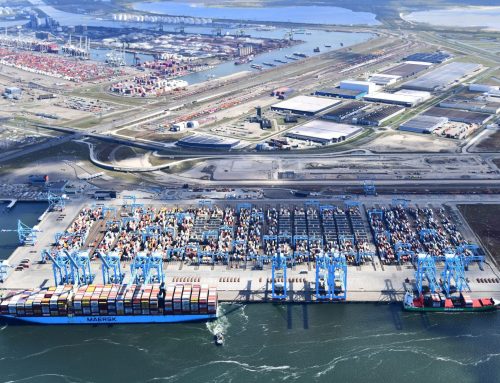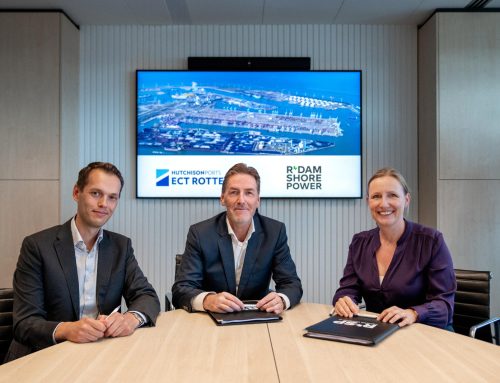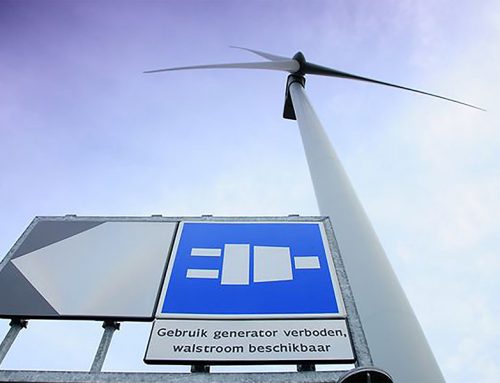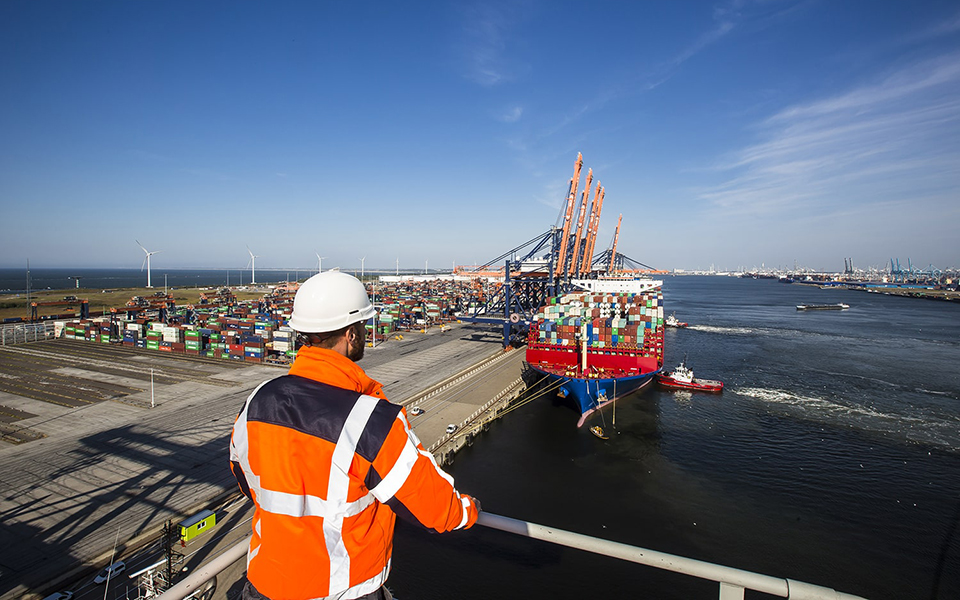
The Port of Rotterdam Authority wants to accelerate the construction of shore-based power installations and have shore-based power for all deep-sea containers by 2028. The equity stake in RSP has therefore been expanded from 20 to 50 percent. As a result of the expansion of the shareholding, the Port of Rotterdam Authority now has an equal share in the Rotterdam Shore Power joint venture with energy company Eneco. Together, they will accelerate and expand the supply of shore-based power in the port to reduce CO2 and nitrogen emissions.
Greening the port
Currently, sea-going vessels are moored at many terminals with idling engines to power all the equipment on board, such as lighting, heating and cooling. These large ships consume up to 25,000 liters of diesel per day, which pollutes the environment.
Climate law
The recently adopted climate law requires sea-going vessels to use shore-based power from 2030 when they are moored for more than two hours. Even the highly polluting cruise ships, of which more than a hundred moor in Rotterdam every year, will only be allowed to use shore power from 2025.
Experience in shore power
RSP has been supplying shore power to Heerema’s ships in the Caland Canal since last year. This Dutch company specializes in building offshore facilities for the oil and gas industry. The shore power station can supply 20 megawatt hours of wind energy, which is equivalent to the power consumption of 15,000 households. In addition, similar projects have been started at dredging company Boskalis in Rotterdam’s Waalhaven and at DFDS Ferries in Vlaardingen. The port of Rotterdam is fully committed to a sustainable future by accelerating the transition to shore-based power and reducing the impact of sea-going vessels on the environment.
Photography: © Eric Bakker