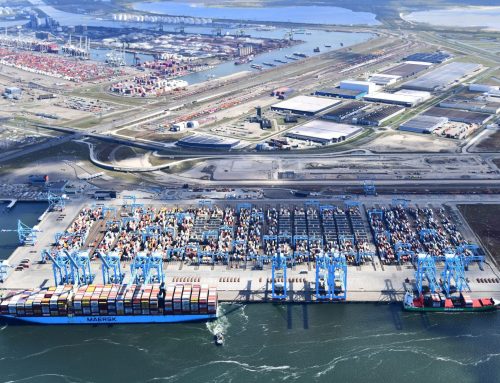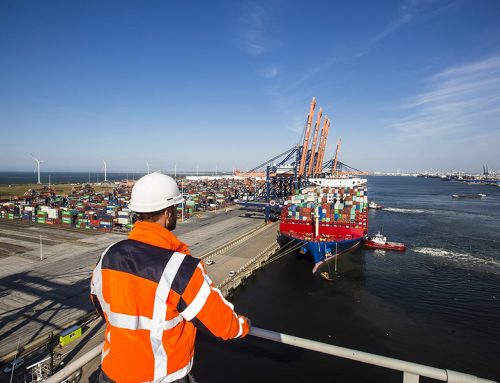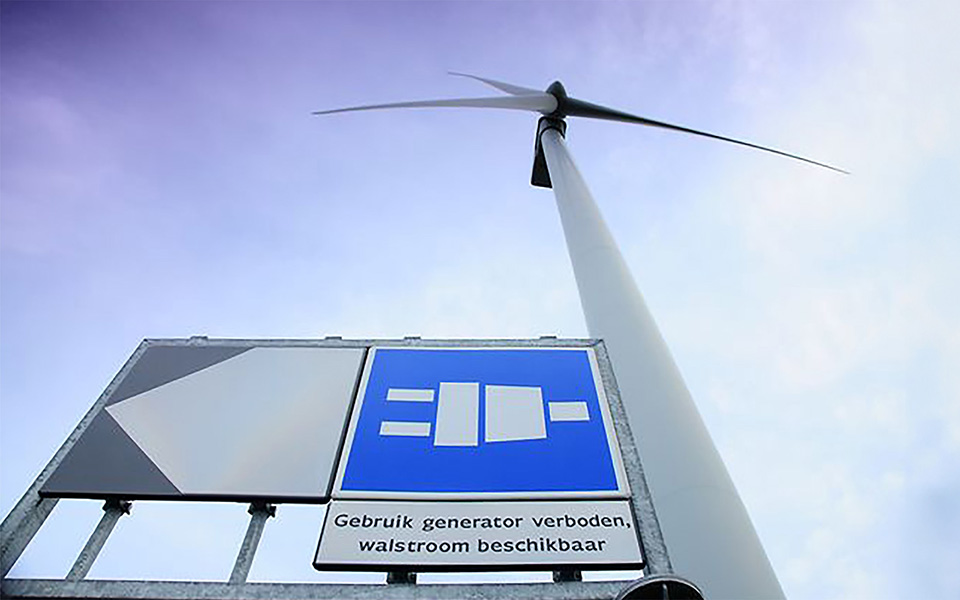
The European Parliament has taken a historic decision for shore-based power: from 2030, container and cruise ships will be obliged to use shore-based power when it is available. Another adopted proposal is that large seaports can meet 90% of the demand for shore-based power by 2030. These proposals, called ‘Fuel EU Maritime’ and ‘Alternative Fuels Infrastructure Regulation’, are part of the Fit-for-55 package and were adopted during the plenary session on 19 October. With the Fit-for-55 package, the EU aims to reduce CO2 emissions by 55% by 2030 and a climate-neutral European Union by 2050.
Fuel EU Maritime
“Ninety-nine percent of the fuels used by these ships are fossil. It is high time that we take action to tackle this pollution,” said MEP Vera Tax (PvdA). Although Tax would have preferred a global agreement, the IMO’s decision on this is still in the making. “There is no time to lose. New construction or modifications to ships require considerable investments. We need to offer investors and shipowners long-term goals to work towards.”
European roll-out of infrastructure for shore-based power
The second proposal, Alternative Fuels Infrastructure Regulation, concerns the roll-out of a European infrastructure for alternative fuels, including shore-based power. This applies not only to shipping, but also to inland shipping, aviation and electric road traffic. For the maritime sector, this means that large seaports must be able to meet 90% of the demand for shore-based power by 2030. Inland ports must have at least one shore-based power point by then.
Photography: © Danny Cornelissen